

Las Vegas is known for its bright lights and busy streets, but those same roads that bring excitement to the city can pose serious risks for motorcyclists. Unlike drivers in cars and trucks, riders do not have the protection of steel frames and airbags. This leaves them vulnerable to hazards that might barely affect a passenger vehicle but could be devastating for someone on two wheels.
Motorcycle accidents often result in severe injuries, expensive medical care, and long recovery times. Understanding the dangers that motorcyclists face on Las Vegas roads is the first step in preventing crashes and pursuing fair compensation when negligence plays a role.
Heavy Traffic on the Las Vegas Strip and Highways
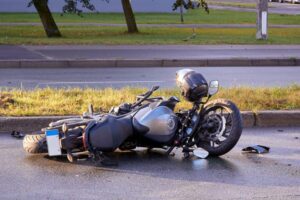
Traffic congestion is a daily reality in Las Vegas, particularly along the Strip and surrounding highways like I-15 and U.S. 95. Stop-and-go conditions and constant lane changes increase the likelihood of collisions. A driver distracted by billboards or tourists crossing outside designated areas may fail to notice a motorcyclist riding nearby.
In these situations, motorcyclists are at greater risk for rear-end accidents, sudden sideswipes, or being cut off by vehicles changing lanes without signaling. Even a low-speed crash can throw a rider from their motorcycle, leading to injuries far more severe than those typically suffered by car occupants.
Distracted Driving
Cell phone use, GPS navigation, and adjusting in-car entertainment are common distractions. A distracted driver can drift into a motorcycle’s lane, fail to brake in time, or miss a rider altogether at an intersection.
Nevada law prohibits texting while driving, yet the challenge of enforcing these laws means riders remain at risk. Motorcyclists must remain alert and assume that drivers may not see them, but when a crash occurs due to distraction, victims can pursue compensation for medical bills, lost wages, and other damages through a personal injury claim.
Impaired Driving
With casinos, bars, and nightlife operating around the clock, impaired driving is a constant threat in Las Vegas. Alcohol and drugs reduce reaction time and judgment, making it much harder for drivers to safely share the road with motorcyclists.
Collisions involving impaired drivers often happen at high speeds, leading to catastrophic injuries such as spinal cord trauma or traumatic brain injuries. Under Nevada Revised Statutes § 41.141, Nevada follows a modified comparative negligence rule, meaning an injured motorcyclist can still recover compensation as long as they are less than 51 percent at fault. Establishing the liability of an impaired driver can be critical for securing financial recovery.
Poor Road Conditions
Motorcycles are more sensitive to road defects than other vehicles. Potholes, loose gravel, uneven pavement, and slick surfaces can cause a rider to lose control. Construction zones in Las Vegas create additional hazards when signs, cones, or debris are left scattered on the roadway.
Unlike car drivers, motorcyclists cannot easily absorb bumps or swerve around hazards without risk of tipping. When poor road maintenance or unsafe construction practices contribute to a crash, liability may extend to government entities or contractors responsible for maintaining safe conditions.
Dangerous Intersections
Intersections are among the most hazardous places for motorcyclists. Many serious crashes occur when drivers misjudge a motorcycle’s speed and turn left in front of it. Other times, drivers run red lights or fail to yield, causing devastating collisions.
Las Vegas intersections such as Tropicana Avenue and Las Vegas Boulevard are especially busy, with high volumes of vehicles, pedestrians, and distractions. These conditions increase the likelihood of drivers overlooking motorcyclists. Personal injury lawyers often use police reports, traffic camera footage, and witness statements to establish fault in these intersection crashes.
Weather Hazards
While Las Vegas is known for its dry desert climate, sudden rainstorms can quickly turn streets into slick surfaces. Oil residue and sand on the pavement make conditions even more dangerous for motorcyclists. Strong desert winds can also destabilize a motorcycle, particularly on highways.
Riders must adapt quickly to changing weather conditions, but negligent drivers who fail to slow down or leave adequate space can still be held responsible for accidents caused in hazardous weather.
Speeding and Aggressive Driving
High speeds are a common factor in Las Vegas accidents. Drivers who exceed the speed limit or weave through traffic give motorcyclists little time to react. Aggressive driving behaviors such as tailgating or unsafe lane changes are particularly dangerous to riders.
The force of a high-speed collision is devastating for motorcyclists, often leading to broken bones, internal injuries, or permanent disability. Victims of these crashes often pursue damages not just for immediate medical care but also for ongoing rehabilitation and reduced earning capacity.
Limited Visibility at Night
Las Vegas nightlife means many riders take to the roads after dark. Unfortunately, limited visibility makes it harder for drivers to spot motorcycles. Neon lights and flashing signs can also create visual distractions.
Collisions at night often involve drivers who claim they simply did not see the motorcyclist. This defense does not eliminate liability. A rider injured in a nighttime crash can seek compensation if another driver failed to maintain safe speeds, use headlights properly, or check blind spots before turning or merging.
Contact a Las Vegas Motorcycle Accident Lawyer at De Castroverde Law Group for a Free Consultation
If you’ve been injured in a motorcycle crash in Las Vegas, you don’t have to navigate the legal process alone. You may be entitled to compensation if it was a distracted driver, an unsafe road, or a speeding motorist. At De Castroverde Law Group, we’ll fight to get you the recovery you deserve.
Call our law office today at (702) 222-9999 to schedule a free consultation with a Las Vegas motorcycle accident lawyer.
